
Rooting for the Planet: Why Your Next Bottle of Wine Should Move the Earth
Why regenerative farming makes wine taste better, plus 4 bottles to buy right now.

Rooting for the Planet: Why Your Next Bottle of Wine Should Move the Earth
The secret to a healthier planet might just be under our feet—and in our wine glasses. When we talk about saving the environment, we usually think of solar panels, electric cars, or cutting down on plastic. But for wine lovers, one of the most powerful tools to fight climate change is the very dirt the vines grow in.
The way a vineyard treats its soil can actually help heal the earth.
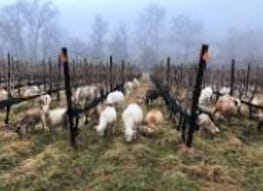
Vineyards Are Laying the Groundwork for a Regenerative Farm Future (Civil Eats)
The Problem With “Tired” Dirt
For decades, conventional farming has treated soil like a blank holding tank. Industrial vineyards often rely heavily on chemical fertilizers, synthetic sprays, and intensive plowing (tilling).
While this gets grapes to grow, it completely strips the soil of life. It leaves the dirt dry, dusty, and empty. Most importantly, it causes the earth to release massive amounts of carbon—the main greenhouse gas driving climate change—back into our atmosphere.
Enter Regenerative Agriculture: Dirt with a Job
A growing movement of forward-thinking winemakers is turning to regenerative agriculture to change this. Instead of working against nature, these vineyards work with it by practicing:
No-Till Farming: Leaving the ground undisturbed so beneficial bugs and fungal networks thrive.
Cover Crops: Planting wild grasses, clover, and flowers between the vine rows to protect the earth like a natural blanket.
Animal Integration: Letting sheep or chickens graze the vineyard to naturally manage weeds and fertilize the ground.
The magical result? The soil comes alive. It transforms into a giant, subterranean sponge.
What is “Carbon Sequestration” (And Why You Should Care)
You don’t need a science degree to understand why this matters. “Carbon sequestration” is just a fancy term for trapping carbon underground where it belongs, rather than letting it heat up our atmosphere.
Healthy, living soil acts like a giant vacuum cleaner. Grapes pull carbon out of the air to grow, and healthy roots pump that carbon deep down into the ground. Living soil locks it away safely for years.
By drinking wine from a regenerative vineyard, you are supporting a farming system that breathes in pollution and buries it safely away.
But Does It Make the Wine Taste Better?
Yes, absolutely. When vines grow in living, biologically diverse soil instead of chemically sustained dirt, they develop deeper root systems. This allows the plant to absorb a richer variety of local nutrients and minerals.
In fact, independent studies have shown that organic and biodynamic wines consistently score higher in quality metrics than conventional alternatives. Winemakers practicing regenerative farming frequently report more vibrant fruit flavors, lower alcohol levels, and a much truer expression of terroir—the unique taste of the place the wine was grown. You aren’t just drinking a cleaner product; you are drinking a more flavorful, complex wine.
How to Vote with Your Wine Glass
Connecting your values to your purchases doesn’t have to be complicated. As I explore deeply in my latest book, Vines and Values: A Consumer’s Guide to Sustainable Wine, every dollar we spend at the wine shop is a vote for the kind of agricultural future we want to see.
When you intentionally seek out producers who care for their land, you shift the entire industry toward sustainability. Look for certifications like Regenerative Organic Certified (ROC), search back labels for mentions of “living soils,” or simply ask your local boutique shop for bottles from eco-conscious, regenerative vineyards.
Bottles to Buy: Regenerative Wines to Seek Out
Here are a few exceptional producers leading the charge. Some hold the official badge, while others quietly do the heavy lifting in their fields every day:
Tablas Creek Vineyard (Paso Robles, CA): Celebrated as the first winery in the world to earn official Regenerative Organic Certified (ROC) status. They make spectacular, vibrant Rhône-style blends using an estate flock of sheep to graze and naturally weed the vine rows.
Troon Vineyard (Applegate Valley, OR): Another pioneer, Troon holds the elite ROC Gold certification. They cultivate a completely wild, biodiverse farm featuring cider apples, re-wilded honeybees, and sheep alongside their vines.
Robert Hall Winery (Paso Robles, CA): An excellent example of a winery that isn’t fully ROC-certified but is actively doing the fieldwork. They launched a prominent, multi-year regenerative farming trial to prove how living soils improve grape quality.
Bedrock Wine Co. (Sonoma, CA): Known for saving historic, old-vine vineyards across California. While not explicitly ROC, their focus on minimal tilling, cover crops, and preserving ancient root networks perfectly embodies the spirit of regeneration.
For the Farming Nerds: Further Reading
If you want to dig past the topsoil and truly understand the science behind how dirt saves the planet, pick up these two fantastic books:
The Soil Will Save Us by Kristin Ohlson: A beautifully written look at the trailblazing scientists, farmers, and visionaries who figured out how healing the earth’s soil can cool the planet.
What Your Food Ate by David R. Montgomery and Anne Biklé: A fascinating deep dive into how the health of the soil microbiome directly impacts the nutrient density, health, and flavor of what we eat and drink.
#Regenerative Viticulture #Biodynamic #ROC #Carbon Sequestration #cover Crops